provide one -stop project solution


How to Incorporate Smart Features into Your Wardrobe Design

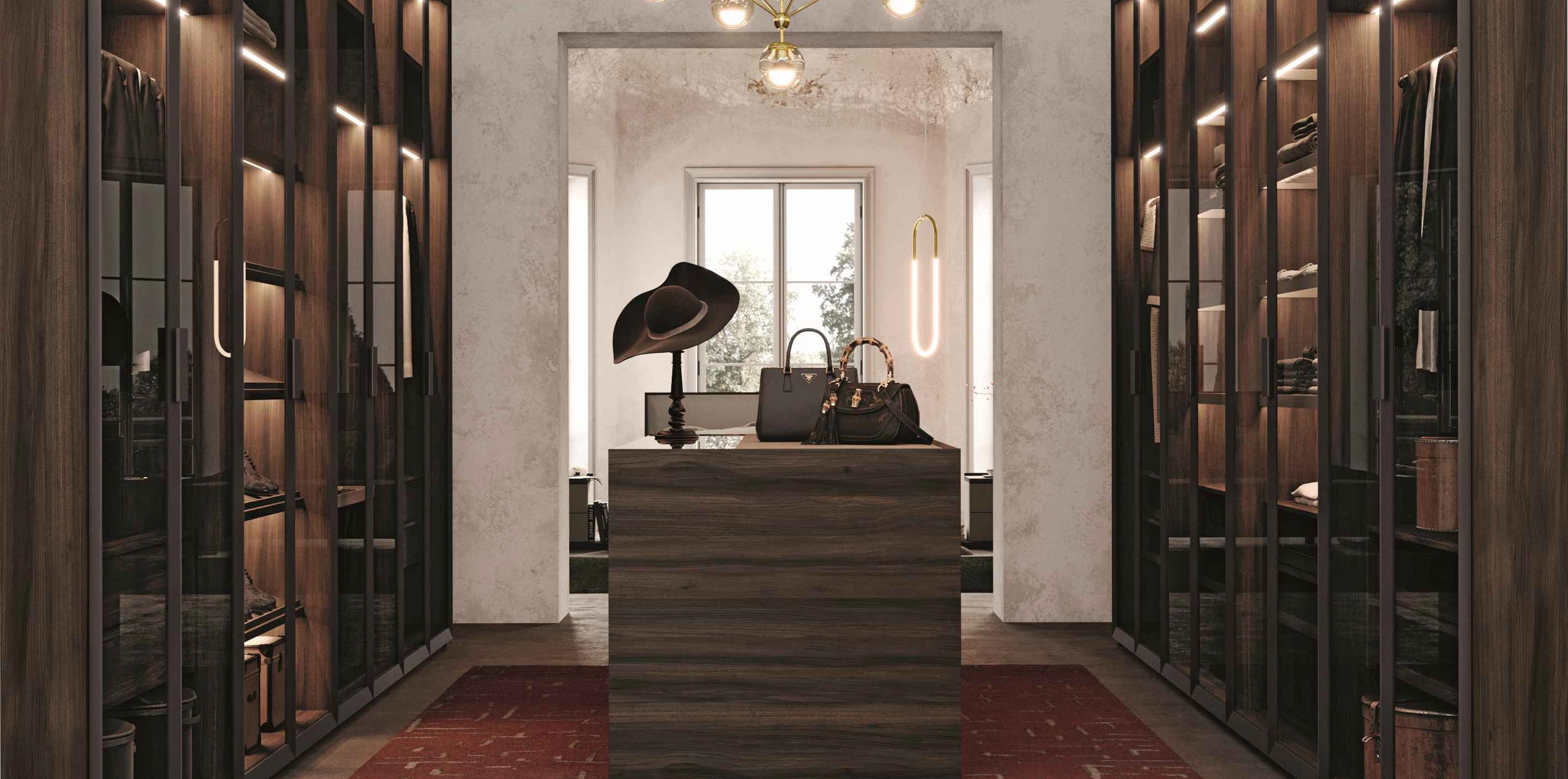
The modern wardrobe has evolved far beyond its traditional role as simply a storage space for clothes. With the rise of technology, people are increasingly looking for ways to incorporate smart features into their homes, including their wardrobes. A smart wardrobe is not just about looks; it can improve functionality, efficiency, and even enhance your lifestyle. In this article, we will explore how you can seamlessly integrate smart features into your wardrobe design, making it more organized, efficient, and user-friendly.
1. Smart Lighting Solutions
One of the simplest yet most effective smart features you can add to your wardrobe is intelligent lighting. Gone are the days of fumbling in the dark to find your favorite outfit. With smart lighting, you can easily illuminate your wardrobe with a voice command, an app, or a motion sensor.
- Voice-Controlled Lights: Smart lights like Philips Hue or LIFX bulbs can be connected to your smart home system, allowing you to turn on the lights with a simple voice command. This is especially useful when your hands are full or when you’re in a hurry.
- Motion Sensors: Another great option is motion-sensing lights. These lights automatically turn on as soon as you open the wardrobe doors. This eliminates the need to search for light switches and ensures that you never leave your wardrobe in the dark.
2. Integrated Bluetooth or Smart Mirrors
Smart mirrors are rapidly becoming a popular feature in modern wardrobe designs. They can provide more than just a reflection; they can act as a high-tech personal assistant.
- Display Technology: A smart mirror can display important information such as the weather, news, or even your calendar while you’re getting dressed. Some advanced models can also connect to your phone and provide notifications, making it easier to check messages or alerts without needing to grab your phone.
- Fitness & Fashion Tips: Some smart mirrors are equipped with features like virtual try-ons. You can upload pictures of your outfits, and the mirror can help you decide how they look without physically trying them on. This is especially useful when you’re trying to coordinate new outfits or choose clothes that match the weather.
- Lighting Adjustments: Many smart mirrors also offer adjustable lighting features, allowing you to simulate different lighting conditions (e.g., daylight, office lighting, evening settings) to help you decide which outfit works best for various environments.
3. Automated Clothing Storage Systems
Technology can be integrated directly into your wardrobe’s storage solutions. Automated clothing storage systems are gaining popularity, offering innovative ways to keep your clothing organized and easily accessible.
- Motorized Hanging Rods: Imagine a wardrobe where the hanging rods are motorized, allowing you to lower or raise them at the touch of a button. This is especially helpful for reaching high shelves or for adjusting the height of hanging clothes based on your needs. You can even program the wardrobe to adjust based on the time of day or season, ensuring that your most-used items are within easy reach.
- Smart Shelves and Drawers: Some wardrobes come equipped with automated shelving and drawer systems that can open and close with the touch of a button or via voice commands. These smart drawers can even have sensors that automatically adjust their size based on the type and amount of clothing inside, ensuring optimal storage space at all times.
- Organizational Features: Smart shelving systems can also include built-in dividers or adjustable compartments that help you organize clothing and accessories more efficiently. This prevents items from getting jumbled and allows you to make the most of the available space.
4. Digital Closet Management
With the integration of technology, digital closet management has become a reality. Imagine being able to see your entire wardrobe on your phone or tablet at any time. A digital closet can help you track what clothes you own, what you wear most often, and what you need to add or remove from your collection.
- Closet Apps: There are various apps available that allow you to upload photos of your clothing items. These apps can help you track what you’ve worn, provide outfit suggestions, and even notify you when it’s time to donate or sell items you haven’t worn in a while.
- RFID Tags: Some smart wardrobes come with RFID (Radio Frequency Identification) technology, allowing you to scan your clothing with a smartphone or a dedicated scanner. This system can help you identify items, track when they were last worn, and suggest outfits based on your style preferences.
- Outfit Suggestions: Some wardrobe management systems use artificial intelligence to suggest outfits based on your wardrobe, the weather, or upcoming events. These suggestions can save you time and effort when getting dressed, offering personalized style tips.
5. Climate-Controlled Storage
Keeping your clothes in pristine condition is essential for maintaining their longevity. Smart wardrobes now feature climate-controlled storage to ensure that your clothing is kept at the ideal temperature and humidity levels, reducing wear and tear.
- Temperature and Humidity Control: A smart wardrobe can be equipped with sensors that maintain optimal conditions for your clothes. For example, your wardrobe can be set to a specific temperature and humidity level, which is particularly important for delicate fabrics like silk or wool. This feature can also help prevent issues like mildew or musty odors that can develop in damp environments.
- Air Purification: Some smart wardrobes integrate air purifiers to ensure that the air inside remains fresh and free of odors. This is especially beneficial for clothing items that are sensitive to environmental conditions.
6. Voice and Gesture Control
Voice and gesture controls are another exciting way to make your wardrobe smarter. These systems allow you to interact with your wardrobe without needing to physically touch any buttons or screens.
- Voice Commands: Smart assistants like Amazon Alexa, Google Assistant, or Apple’s Siri can be used to control lighting, adjust shelves, or suggest outfits based on your preferences. A voice-activated wardrobe offers convenience and hands-free operation, making it easy to interact with your closet while your hands are occupied.
- Gesture Controls: Some wardrobes also integrate gesture control technology, allowing you to open drawers, move shelves, or activate lights with a simple wave of your hand. Gesture controls add an extra layer of convenience and sophistication to your wardrobe, making it feel like a futuristic space.
7. Smart Security Features
Protecting your valuable clothing and accessories is essential. Modern wardrobes are now incorporating smart security features to help safeguard your possessions.
- Biometric Locks: For high-end wardrobes that store luxury items, biometric locks (such as fingerprint scanners) can be installed. This ensures that only authorized users can access specific sections of the wardrobe.
- Smart Cameras and Sensors: Some wardrobes come equipped with cameras or motion sensors that alert you if someone is tampering with the contents. You can receive notifications on your phone or device, giving you peace of mind about the security of your clothes and accessories.
Conclusion
Incorporating smart features into your wardrobe design isn’t just about creating a high-tech space; it’s about improving functionality and making your daily routine more efficient. Whether it’s through smart lighting, automated storage, or advanced wardrobe management systems, these innovative solutions can save you time, increase your convenience, and help you maintain your clothing in optimal condition. As technology continues to advance, the future of wardrobe design looks more streamlined and smarter than ever, providing endless opportunities to enhance both the functionality and aesthetics of your closet.