provide one -stop project solution


The Ultimate Guide to Eco-Friendly Materials for Kitchen Cabinets

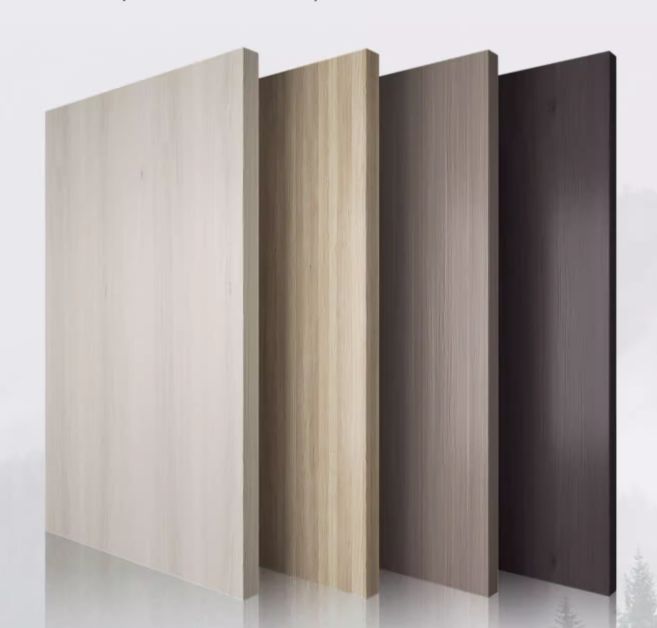
As more homeowners become conscious of their environmental impact, eco-friendly materials are gaining popularity in home renovation projects, particularly in kitchens. Cabinets, which often take up a significant portion of a kitchen’s overall design, are an essential part of this shift. Eco-friendly kitchen cabinets are made from sustainable materials that not only reduce environmental harm but also contribute to creating healthier living spaces.
In this ultimate guide, we will explore some of the best eco-friendly materials for kitchen cabinets, and how they can help you build a more sustainable, stylish, and functional kitchen.
1. Bamboo: The Sustainable Superstar
Bamboo is often hailed as one of the most sustainable building materials in the world. This fast-growing plant replenishes itself quickly, making it a renewable resource. Unlike traditional hardwood trees, bamboo can grow to full maturity in just 3-5 years, reducing deforestation rates and helping maintain natural ecosystems.
When used in kitchen cabinets, bamboo offers an incredibly durable, strong, and lightweight material. It is naturally resistant to moisture, insects, and mildew, making it ideal for high-humidity environments like kitchens. Additionally, bamboo has a distinct, natural aesthetic that can complement a wide range of kitchen styles, from modern to rustic.
Many manufacturers offer bamboo kitchen cabinets that are finished with non-toxic, water-based finishes, making them safe for the environment and your health. Bamboo is a versatile material that can be used for cabinet faces, panels, shelving, and even countertops.
2. Reclaimed Wood: Upcycling for a Greener Future
Reclaimed wood is one of the most eco-friendly materials available for kitchen cabinets, offering a way to repurpose wood from old buildings, barns, and other structures. By giving new life to these materials, you reduce the demand for freshly cut timber, which helps preserve forests and reduces the carbon footprint associated with traditional woodworking.
Reclaimed wood is often rich in character, with unique textures, colors, and grains that cannot be replicated in newly sourced materials. This rustic charm makes reclaimed wood an excellent choice for homeowners looking to add warmth and personality to their kitchen.
The sustainability of reclaimed wood extends beyond just its source; many reclaimed wood suppliers ensure that the wood is processed using environmentally friendly techniques, such as low-VOC finishes and non-toxic sealants, to maintain its eco-friendly status.
3. Plywood with FSC Certification: Sustainable and Strong
Plywood is a popular material for kitchen cabinets because of its strength, durability, and affordability. When opting for plywood, it’s essential to choose plywood that carries the Forest Stewardship Council (FSC) certification. FSC-certified plywood comes from responsibly managed forests, ensuring that the wood is harvested in a way that minimizes environmental impact and supports sustainable forestry practices.
FSC plywood is an excellent option for kitchen cabinets because it is lightweight yet strong enough to handle the weight of heavy kitchen items. It can be easily customized with veneers, laminates, or natural finishes, providing endless design possibilities while remaining eco-friendly.
Additionally, the manufacturing process for FSC-certified plywood generally involves fewer toxic chemicals and adhesives, ensuring a healthier indoor air quality for your home.
4. MDF (Medium-Density Fiberboard) with Low-VOC Finishes
MDF is a popular engineered wood product used in kitchen cabinets because of its smooth surface and ease of customization. When looking for an eco-friendly option, it’s important to choose MDF that is made from recycled wood fibers and finished with low-VOC (volatile organic compounds) paints or sealants.
Low-VOC MDF cabinets help reduce the release of harmful chemicals into the air, improving indoor air quality. The smooth surface of MDF also provides a perfect canvas for a wide variety of finishes, such as eco-friendly paints and stains, that help create the perfect look while maintaining sustainability.
Furthermore, many MDF products are made from waste wood or byproducts of other wood-processing industries, which makes them a great choice for homeowners looking to reduce waste and support sustainable manufacturing practices.
5. Solid Wood from Responsible Sources
Solid wood is a classic material for kitchen cabinets that offers both durability and beauty. However, traditional hardwoods can contribute to deforestation if not harvested responsibly. To ensure you’re choosing an eco-friendly option, it’s important to select solid wood that comes from sustainable and well-managed sources.
Look for wood species that are certified by organizations like the Forest Stewardship Council (FSC) or the Rainforest Alliance. These certifications ensure that the wood is harvested from forests that are managed in a way that maintains biodiversity, reduces carbon emissions, and supports local communities.
Popular solid wood options for eco-friendly cabinets include maple, oak, and cherry, all of which can be sourced sustainably and offer long-lasting beauty and strength.
6. Recycled Metal: A Stylish and Sustainable Option
For a more industrial look, some homeowners opt for recycled metal cabinets. Recycled metal, typically made from scrap aluminum or steel, is a highly durable and eco-friendly material. Using recycled metal helps conserve natural resources, reduces waste, and minimizes energy consumption during production.
Metal cabinets also offer a sleek, modern look that complements contemporary kitchens. They are resistant to moisture and pests, making them perfect for a kitchen environment. Additionally, recycled metal can be finished in various colors and textures, allowing homeowners to create a personalized look while maintaining an eco-conscious design.
7. Eco-Friendly Laminates and Finishes
While laminate itself may not be considered an eco-friendly material, the development of low-VOC, non-toxic, and recyclable laminate finishes has made it a more sustainable choice. Eco-friendly laminate options use water-based adhesives, which significantly reduce harmful emissions compared to traditional laminates. Some manufacturers also offer laminate finishes made from recycled materials, further enhancing the sustainability of the product.
Laminates are available in a wide range of colors, patterns, and textures, allowing homeowners to create beautiful designs that fit within their sustainable kitchen vision. When choosing laminate for kitchen cabinets, look for products that are certified by organizations like GreenGuard or the Forest Stewardship Council (FSC) to ensure their environmental friendliness.
Conclusion: Creating an Eco-Friendly Kitchen with Sustainable Cabinets
Choosing eco-friendly materials for kitchen cabinets is one of the most effective ways to reduce your environmental footprint and create a healthier home. Whether you opt for bamboo, reclaimed wood, FSC-certified plywood, low-VOC MDF, solid wood from responsible sources, recycled metal, or eco-friendly laminates, each option offers unique benefits that contribute to sustainability.
As you design your kitchen, consider the environmental impact of every material you use. By selecting eco-friendly materials for your kitchen cabinets, you’re making a positive contribution to the planet and ensuring a healthier, more beautiful space for years to come.