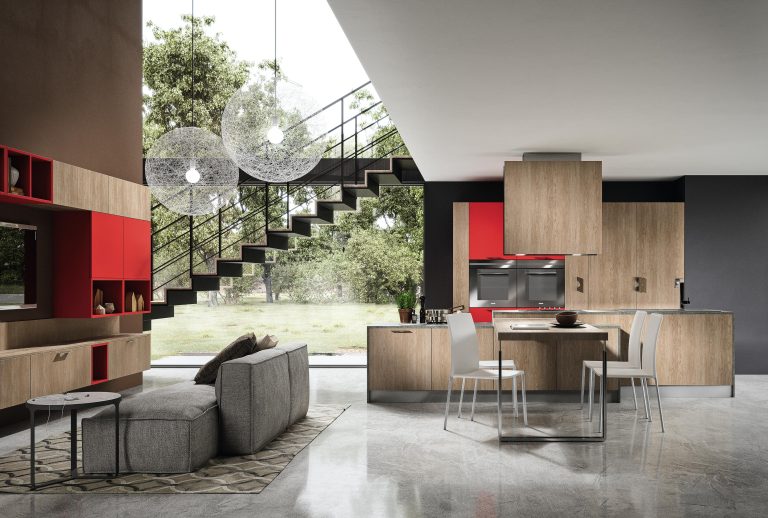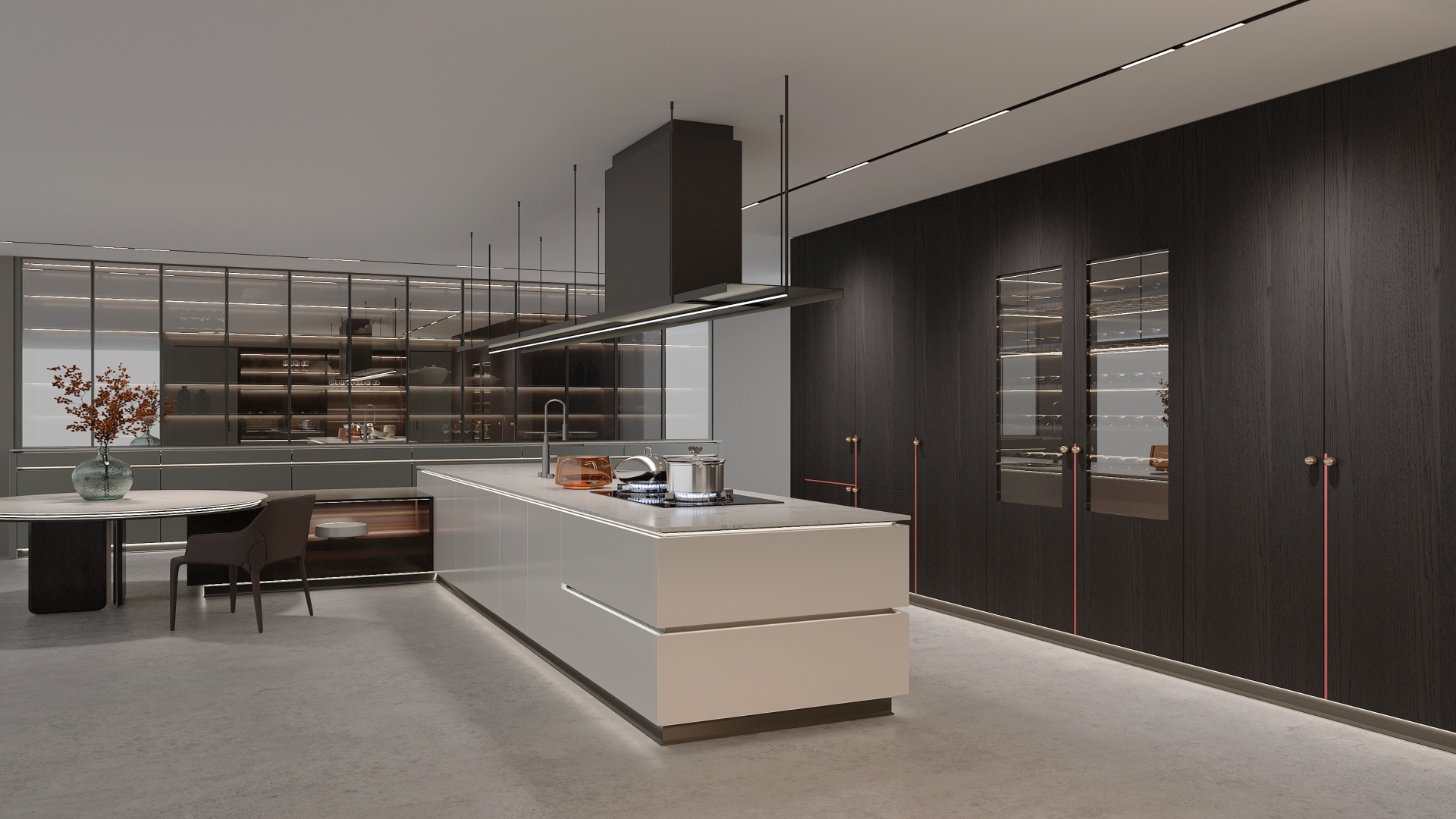
Choosing the right countertop material is one of the most consequential decisions in any kitchen or bathroom renovation. It shapes the look and feel of the space, affects how you use it every single day, and determines how much time and money you will spend maintaining it over the years. Natural stones such as granite and marble have dominated the market for decades, but two engineered materials have risen rapidly to the top: quartz and sintered stone. Both are designed to overcome the well-known weaknesses of natural stone, yet they are built in fundamentally different ways and behave quite differently in daily life.
This in-depth guide examines the pros and cons of quartz and sintered stone countertops, from technical specifications and heat resistance to cost, maintenance, and design flexibility. By the end, you should have a clear picture of which surface best suits your home, your cooking habits, and your budget.
Quartz vs Sintered Stone: Key Specifications at a Glance
Before diving into the details, here is a side-by-side look at the typical technical data for both materials. These figures are industry-standard ranges based on EN 14617 and ISO 10545 test methods; exact values vary by manufacturer, so always request a technical data sheet for the specific slab you are buying.
| Specification | Quartz Countertops | Sintered Stone Countertops |
|---|---|---|
| Composition | 90–95% ground quartz + 7–10% resin binder | 100% natural minerals (feldspar, silica, alumina), no resin |
| Mohs Hardness | 6–7 (typically ~7) | 6–7 |
| Density | 2.3–2.5 g/cm³ (2,300–2,500 kg/m³) | 2.4–2.5 g/cm³ (2,400–2,500 kg/m³) |
| Water Absorption | <0.1%, typically 0.02–0.05% | <0.05%, typically 0.02–0.05% |
| Flexural Strength | 35–60 MPa | 45–60 MPa |
| Compressive Strength | 120–240 MPa | Up to 400+ MPa |
| Heat Resistance | Brief contact up to ~150°C (resin limit) | Direct contact above 300°C |
| Fire Rating | Combustible (resin content) | A1 non-combustible (EN 13501-1) |
| UV Stability | Poor — may yellow outdoors | Excellent — no fading |
| Linear Thermal Expansion | ~21–28 × 10⁻⁶ /°C | ~5–8 × 10⁻⁶ /°C |
| Common Thicknesses | 12, 15, 20, 30 mm | 6, 9, 12, 15, 20 mm |
| Standard Slab Size | ~3,050 × 1,400 mm / 3,200 × 1,600 mm | 3,200 × 1,600 mm / 3,000 × 1,500 mm |
| Sealing Required | No | No |
| Typical Lifespan | 15–25+ years | 20–30+ years |
What Is Quartz?
Quartz countertops are engineered stone surfaces made from roughly 90 to 95 percent ground natural quartz combined with 7 to 10 percent resin binders and pigments. The mixture is vacuum-pressed into slabs under high pressure and then cured, producing a dense, consistent, non-porous material with a typical density of 2.3–2.5 g/cm³. Because the pattern is manufactured rather than quarried from the earth, quartz offers a level of uniformity that natural stone simply cannot match. It is one of the most popular countertop choices worldwide, especially in busy family kitchens where reliability and easy care matter most.
What Is Sintered Stone?
Sintered stone is a newer and more technically advanced category of engineered surface. It is made from 100 percent natural minerals such as feldspar, silica, and alumina. These raw materials are crushed into a powder, pressed into slabs under pressures exceeding 40,000 tons, and fired at temperatures above 1,200°C in a process called sintering, which fuses the particles together without the need for any resin or polymer binder. The result is a dense slab with near-zero porosity (water absorption below 0.05%) that behaves much like natural stone but with engineered consistency. Sintered stone is celebrated for its dramatic large-format veining and its uncanny ability to mimic marble, concrete, onyx, and other luxury materials.
Quartz Countertops: The Pros
1. Exceptional stain resistance. With water absorption typically between 0.02% and 0.05%, the non-porous surface of quartz does not absorb liquids. Coffee, wine, oil, tomato sauce, and fruit juice will not penetrate and leave permanent marks. This makes it ideal for active cooking and entertaining, and it gives parents peace of mind when spills happen.
2. Low maintenance. Quartz never needs sealing, polishing, or special cleaners. Warm water and mild soap are enough for daily care. This is a major advantage over natural stone, which requires resealing every 1–3 years to prevent staining and etching.
3. Consistent, predictable appearance. Because quartz is manufactured, every slab looks remarkably uniform. What you see in the showroom is very close to what you get, which greatly simplifies design planning and the matching of patterns across large surfaces, backsplashes, and waterfall islands.
4. Wide design range. Quartz is available in an enormous variety of colors, patterns, and finishes, from subtle neutral tones and speckled designs to bold veined styles that closely resemble marble. This versatility makes it easy to coordinate with almost any modern cabinet, flooring, or wall color.
5. Hygienic surface. Its non-porous nature inhibits the growth of bacteria, mold, and mildew, making quartz a smart and sanitary choice for food preparation areas, bathroom vanities — including our bathroom vanity collection and Pottery Barn vanity with quartz top — and households with allergies or young children.
6. Strong and easy to fabricate. With a Mohs hardness of about 7 and flexural strength commonly in the 35–60 MPa range, quartz resists daily scratches and supports wide overhangs. It is produced in large quantities and available through a wide network of fabricators, including custom kitchen cabinet makers, which tends to mean shorter lead times and more competitive pricing than newer materials.
Quartz Countertops: The Cons
1. Sensitive to heat. The 7–10% resin binder is quartz’s Achilles’ heel. Sustained contact with surfaces around 150°C can soften, discolor, or warp the resin near the surface, and a hot pan placed directly from the stove can leave a permanent mark. Trivets and hot pads are not optional with quartz; they are essential.
2. Can chip at edges and corners. While quartz is hard (Mohs 6–7), it is not immune to damage. Exposed edges, corners, and areas around sink cutouts are vulnerable to chipping from sharp impacts. Repairs can be difficult and expensive to blend seamlessly into the original pattern.
3. Visible seams in large installations. Quartz slabs come in finite dimensions, commonly around 3,050 × 1,400 mm or 3,200 × 1,600 mm, so large island kitchen counters, long runs, or full-height backsplashes require seams. On plainly colored quartz these joints are subtle, but on strongly patterned designs they can be noticeable and may disrupt the visual flow.
4. Not ideal for outdoor use. Prolonged ultraviolet exposure can cause quartz resins to yellow or fade. For this reason, quartz is generally not recommended for outdoor kitchens, barbecue areas, or sunrooms with intense direct sunlight.
5. Requires professional fabrication. Cutting, grinding, and installing quartz demands specialized tools and experience. Dust control is also important. This expertise adds to the overall project cost and makes do-it-yourself installation impractical for most homeowners.
6. Chemical sensitivity. Although resistant to stains, quartz can be damaged by harsh solvents, strongly alkaline cleaners, and abrasive products. Using the wrong product can dull the finish or break down the resin at the surface.
Sintered Stone Countertops: The Pros
1. Outstanding heat resistance. Because sintered stone contains no resin, it handles heat far better than quartz. It carries an A1 non-combustible fire rating (EN 13501-1) and tolerates direct contact above 300°C with no scorching, discoloration, or warping. This is a genuine advantage for passionate home cooks who move dishes straight from the hob to the counter.
2. UV stable and outdoor friendly. Sintered stone uses natural mineral pigments and does not yellow, fade, or degrade under sunlight. It also resists frost, withstanding 100 freeze-thaw cycles, making it excellent for outdoor kitchens, patios, poolside bars, and bright sunlit spaces where quartz would eventually suffer.
3. Scratch and stain resistance. With Mohs hardness of 6–7, water absorption below 0.05%, and a class 5 stain-resistance rating (the highest under EN ISO 10545-14), the fired surface resists scratches from cutlery and shrugs off wine, coffee, oil, and household chemicals. Daily cleanup needs nothing more than water and mild detergent.
4. Large-format slabs. Sintered stone is produced in slabs up to 3,200 × 1,600 mm, often larger than standard quartz. This means fewer seams on expansive islands and long countertop runs, creating a clean, continuous look that is a favorite in modern and minimalist interiors. Available thicknesses as slim as 6 mm also allow it to wrap feature walls, wall panels, and furniture.
5. Natural, eco-conscious composition. Made entirely from natural minerals and manufactured without resins or polymers, sintered stone is inert and does not emit volatile organic compounds (VOCs). It appeals to homeowners who prioritize sustainable, chemical-free materials.
6. Striking, lifelike aesthetics. Advanced digital printing and texturing technologies allow sintered stone to replicate marble, onyx, travertine, and concrete with remarkable realism. Many designs feature dramatic book-matched veining that creates a luxurious, high-end appearance.
7. Structurally strong. With flexural strength typically between 45 and 60 MPa and compressive strength that can exceed 400 MPa, sintered stone is not only surface-hard but structurally robust when properly supported during fabrication.
Sintered Stone Countertops: The Cons
1. Brittle at edges. Despite its impressive surface hardness and high compressive strength, sintered stone is a thin, dense material. A sharp blow to an exposed edge or corner can cause chipping or cracking. Extra care is needed during transport, fabrication, and installation, and edges may need protective treatment in high-traffic areas.
2. Higher cost. Sintered stone is generally more expensive than quartz, both as a raw material and in fabrication, because it is a premium product that requires specialist equipment and handling. Budget-conscious homeowners may find the price difference significant.
3. Batch-to-batch variation. Since many sintered stone designs imitate natural stone, subtle differences can occur between production batches. It is wise to order all slabs required for a project at once to ensure a consistent look.
4. Fewer qualified fabricators. Not every stone fabricator has the tools, experience, and facility to cut and install sintered stone safely. This can limit your choice of contractors and, in some regions, extend project timelines.
5. Shows fingerprints and smudges. Some polished and dark-finish sintered surfaces reveal fingerprints and water spots more readily than quartz, requiring more frequent wiping in busy households.
6. Repair can be difficult. Because of its density and specialized finish, repairing a chip or crack in sintered stone is often more challenging than repairing quartz, and may require professional intervention.
Head-to-Head Comparison
Heat resistance: Sintered stone is the clear winner, tolerating direct contact above 300°C, while quartz resin begins to soften around 150°C. Quartz needs constant protection from hot cookware.
Stain resistance and maintenance: Both perform excellently, with water absorption under 0.1%. Neither requires sealing, and both clean easily with mild soap and water.
Hardness and scratches: Both sit at Mohs 6–7, harder than a typical steel kitchen knife (around 5.5), so normal cutting will not scratch either surface. A cutting board is still recommended to protect edges.
Design and aesthetics: Quartz offers a broader everyday palette, which pairs especially well with white-painted cabinets and our white lacquered kitchen cabinets with quartz or sintered stone worktops, while sintered stone excels at large-format, marble-like statements and seamless surfaces.
Durability: Both are highly hard-wearing, but their weak points differ. Quartz is vulnerable to heat and resin damage, while sintered stone is more prone to edge chipping under impact.
Outdoor suitability: Sintered stone wins decisively thanks to its A1 fire rating, frost resistance, and UV stability; quartz is best kept indoors.
Cost and availability: Quartz is usually more budget-friendly and easier to source and fabricate almost anywhere, whereas sintered stone carries a premium price and may require a specialist supplier.
Cost Considerations
Budget is often the deciding factor, and it is worth looking beyond the headline price per slab. Quartz generally costs less per square foot and is easier to fabricate, so total installed prices tend to be more accessible. Sintered stone typically commands a premium, and that premium can grow when complex edge profiles, book-matched veining, or large custom slabs are involved.
That said, the true cost of a countertop is measured over its entire lifespan. A material that resists stains, heat, and UV damage may save money on repairs, resealing, and early replacement. Neither quartz nor sintered stone needs the regular sealing that granite and marble demand, which is a long-term saving in both cost and effort. When comparing quotes — or request a free design consultation — ask for a full installed price that includes fabrication, edge detailing, cutouts, and delivery, so you are comparing like for like.
Which Should You Choose?
If your priority is a low-maintenance, stain-proof surface available in a huge range of designs at a moderate price, quartz is an excellent all-rounder for the typical family kitchen. It is forgiving, widely available, and easy to live with, provided you are disciplined about using trivets.
If you cook with high heat, want a seamless large-island look, are planning an outdoor kitchen, or prefer a resin-free, natural composition with luxury marble aesthetics, sintered stone is well worth the extra investment. It is the more technically advanced material and, with proper fabrication and care, will deliver decades of reliable service.
In both cases, professional installation and a little everyday attention will keep your countertop looking beautiful for years to come.
Frequently Asked Questions
How hard is quartz compared to sintered stone? Both sit around 6–7 on the Mohs scale, which is harder than a typical steel kitchen knife (about 5.5). This means normal cutting and sliding pans will not scratch either surface. Use a cutting board anyway, since hardness protects against scratches, not chips from sharp impact.
Can I put a hot pan directly on a quartz countertop? No. Sustained contact around 150°C can soften and discolor the resin binder near the surface, leaving a mark that will not buff out. Always use a trivet or board for anything straight off the stove.
Can I put a hot pan on sintered stone? Generally yes. Sintered stone carries an A1 non-combustible rating and tolerates direct contact above 300°C. It is still sensible to use a trivet to protect the finish and the cabinet structure beneath over time.
Do quartz or sintered stone countertops need sealing? No. Both have water absorption below 0.1% (often 0.02–0.05%), so there is no open pore network for a sealer to fill. Clean with soap and water and the surface takes care of itself.
Will wine or coffee stain these countertops? Not if wiped up in a reasonable time. Both surfaces are non-porous, so coffee, wine, oil, and juice sit on the surface and wipe off instead of soaking in. Keep strong solvents and highly alkaline cleaners away.
Which material lasts longer? Quartz typically lasts 15–25 years and sintered stone 20–30 years with proper care (see our warranty and returns policy). The deciding factor is usually which material better suits your habits and environment.
Is sintered stone worth the extra cost? For high-heat cooking, outdoor use, or a seamless luxury look, many homeowners find the premium justified. For a standard indoor kitchen on a budget, quartz often delivers better value.
Final Thoughts
There is no single “best” countertop material. The right choice depends on how you cook, how you live, and what you value most in a surface. Quartz delivers practical, affordable, low-maintenance beauty for the everyday kitchen. Sintered stone offers superior heat and UV performance with breathtaking large-format design for those willing to invest more.
Still deciding? Our team can help you compare samples, discuss your project requirements, and find the perfect surface for your space.
Note: Technical figures shown are typical industry ranges based on EN 14617 and ISO 10545 test methods and may vary by manufacturer. Request a batch-specific test data sheet before specifying a material for your project.