
Product pictures
咨询Modern kitchen cabinets方案
Leave your contact information and we will get in touch with you as soon as possible.
PRODUCT DETAILS
产品详情
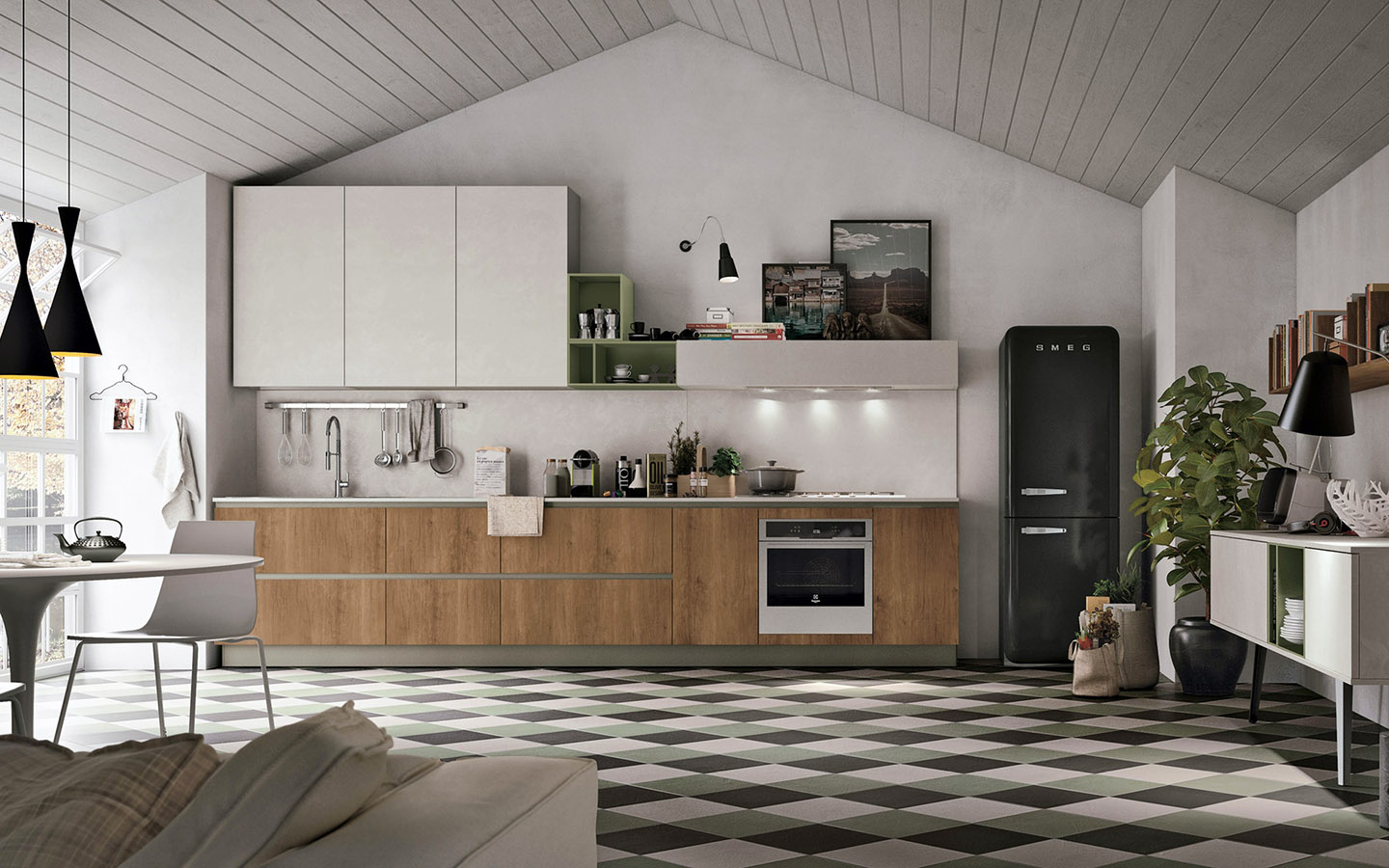
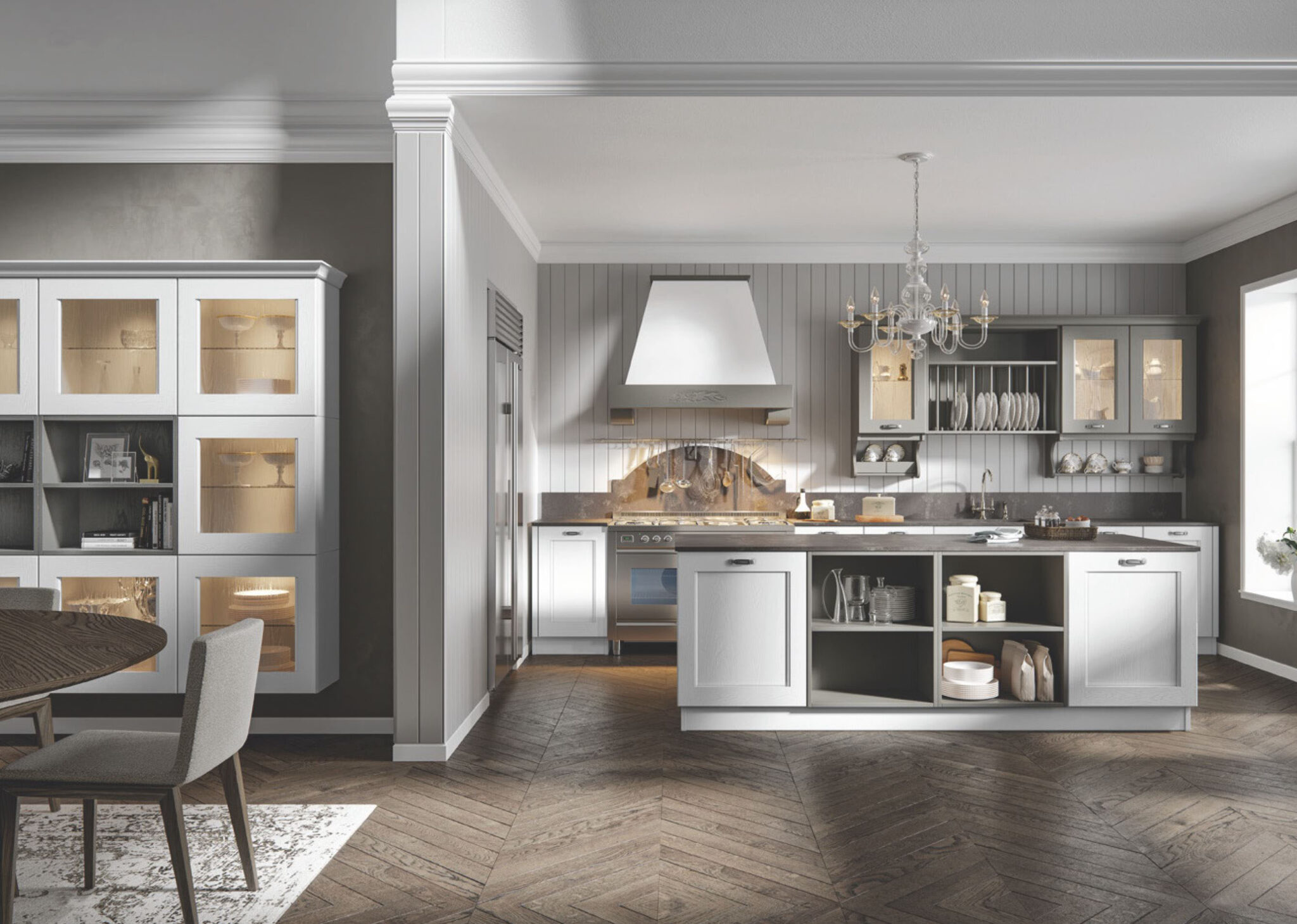
Modern 2-Tone Kitchen Cabinets: The Definitive Guide to Elevated Style
The quest for a kitchen that is both timeless and distinctly contemporary finds its perfect answer in modern two-tone cabinetry. This design approach, which masterfully combines two different colors or materials for the upper and lower cabinets, has moved beyond a fleeting trend to establish itself as a cornerstone of sophisticated interior design. It offers a dynamic alternative to the monotony of a single-color kitchen, injecting personality, depth, and architectural interest into the very heart of your home. Far from being a mere aesthetic choice, it is a strategic design solution that allows for unparalleled customization, enabling you to craft a space that is a true reflection of your unique style and functional needs. By breaking up the visual mass of cabinetry, a two-tone scheme can manipulate the perception of space, create focal points, and bring a harmonious balance that is both striking and inviting. Let us delve into the specific aspects that make these cabinets an exceptional choice for your home, exploring the principles that will guide you toward creating a kitchen that is not only beautiful but also intelligently designed and deeply personal.
One of the most compelling advantages of the two-tone cabinet design is its unparalleled ability to define zones and create a visual hierarchy within the kitchen. In an open-concept living space, where the kitchen flows into the dining and living areas, this technique becomes an invaluable tool for interior architecture. By strategically selecting one color for your base cabinets and another for your wall cabinets, you can subtly yet effectively ground the workspace while allowing the upper portion to feel lighter and more open. For instance, pairing a rich, deep hue like charcoal gray or navy blue on the bottom with crisp, light upper cabinets in white or a soft pastel creates a natural sense of stability and weight below, promoting an airy, breathable atmosphere above. This contrast naturally draws the eye and organizes the space without the need for physical barriers. It clarifies the functional flow of the kitchen—the lower cabinets for preparation and storage, the uppers for everyday items—making the room feel intentionally composed and effortlessly logical. This approach transforms the kitchen from a mere collection of units into a cohesive yet dynamically layered environment.
The selection of the color palette is the very soul of your two-tone kitchen, setting the overall mood and defining its character. The modern interpretation of this trend leans heavily into sophisticated contrast and tonal harmony. A classic and eternally chic combination is the pairing of a dark, saturated color on the lower cabinets with light, bright uppers, as mentioned, which guarantees a timeless appeal. For those seeking a more daring and contemporary statement, consider combining two different shades within the same color family, such as navy blue with a sage green, or charcoal with a warm taupe. Introducing natural wood tones into the mix elevates the design further; using a warm walnut for the island or base cabinets against matte white uppers adds organic texture and warmth, preventing the space from feeling too sterile. The finish is equally critical; opt for matte, satin, or slab-style shaker doors to maintain a clean, modern profile. The key to a successful palette is balance—ensuring that the two colors, though distinct, share an underlying harmony, perhaps through similar undertones or a consistent finish, to achieve a look that is cohesive rather than chaotic.
Beyond its profound aesthetic impact, the two-tone cabinet scheme is a powerful functional tool for enhancing the perception of space and light within your kitchen. This is particularly beneficial for kitchens that are smaller, lack abundant natural light, or have challenging layouts. The strategic use of color can effectively manipulate how the room is perceived. To make a low ceiling appear higher, install lighter-colored cabinets on the top, which will draw the eye upward and create an illusion of height. Conversely, if a kitchen feels too vast or impersonal, using a darker, more commanding color on a large kitchen island or the lower cabinets can help to anchor the space, making it feel more intimate and defined. This method allows you to work with your kitchen’s existing architecture, using color to correct or enhance proportions rather than undertaking costly structural changes. It is a testament to the principle that good design is not just about beauty but also about intelligent problem-solving, using visual cues to create a space that feels perfectly proportioned and comfortable.
At its core, the move towards modern two-tone kitchens is a celebration of personalization and individual expression. In an era where the home is a sanctuary, the kitchen deserves to be more than just a functional utility room; it should be a canvas for your personality. The two-tone approach liberates you from the constraints of a single, safe color choice, inviting you to infuse the space with your unique identity. Perhaps you wish to create a bold, dramatic statement with a black and gold combination, or maybe a serene, coastal vibe with light gray and seafoam green is more your style. You can incorporate a favorite color in a manageable way—using it on the island as a vibrant accent while keeping the surrounding cabinets neutral. This flexibility extends to hardware and fixtures, allowing you to mix metals or choose statement pulls that complement your chosen palette. Your kitchen becomes a curated space, a direct reflection of your taste and creativity, making it a truly personal and inspiring environment for cooking, gathering, and living.
Finally, the enduring appeal of two-tone cabinets is rooted in their remarkable versatility and timeless quality. Unlike some design trends that feel dated after a few years, this concept has proven its staying power because it is a principle rather than a passing fad. It adapts seamlessly to any overarching design theme you wish to embrace. For a sleek, minimalist look, a monochromatic scheme of light and dark gray on slab-style cabinets is impeccable. For a modern farmhouse aesthetic, combine classic white uppers with base cabinets in a weathered blue or a natural wood finish. The transitional style, which blends traditional and contemporary elements, finds a perfect partner in two-tone cabinetry, perhaps through a classic shaker door in a modern color combination. This inherent adaptability ensures that your kitchen will not be locked into a specific era but will instead possess a layered, evolved character that can be easily refreshed with new accessories, lighting, or decor, safeguarding your investment for years to come and ensuring your kitchen remains a source of pride and joy.
Contact us
Tel/WhatsApp: mobile +86-18100264997
Email: stuya8@stuya127.com
RELATED PRODUCTS
推荐产品
Modern kitchen cabinets
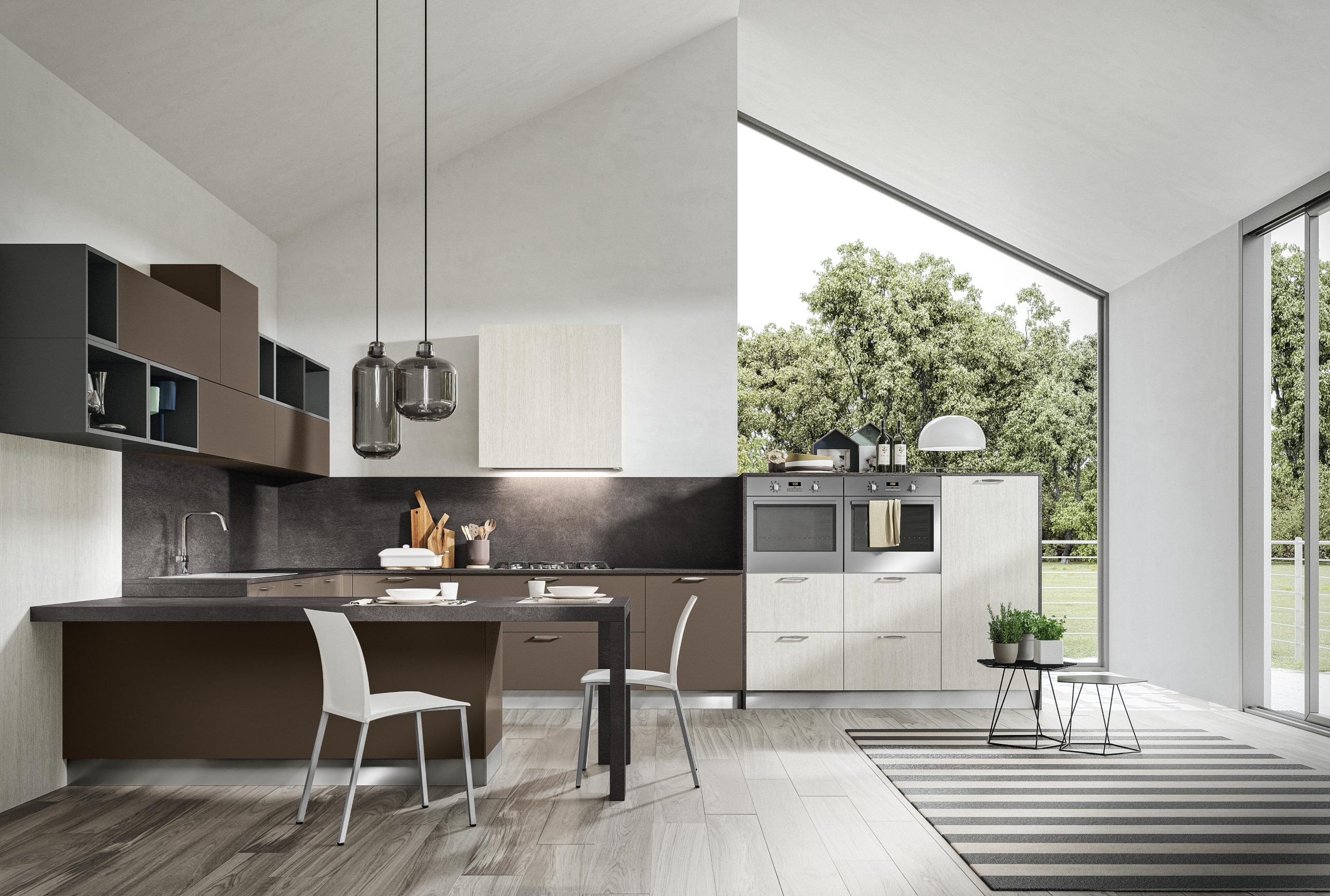
Modern Kitchen Cabinets in Open-Plan Living Spaces: The Art of Cohesive Design and Intelligent Functionality
Modern kitchen cabinets
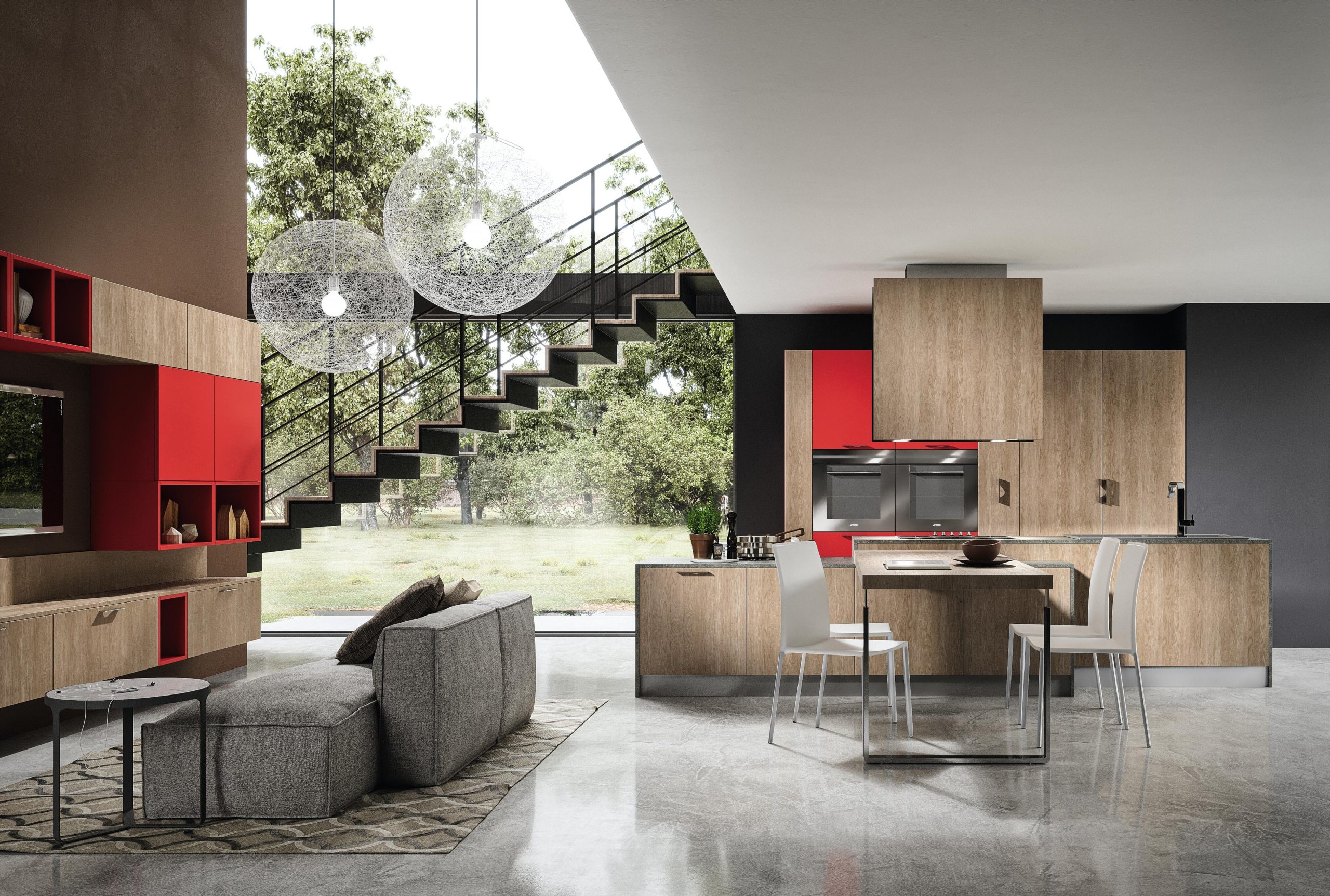
Navigating the Nuances: Transitional vs. Ultra-Modern Cabinet Styles for Your Dream Kitchen
Modern kitchen cabinets
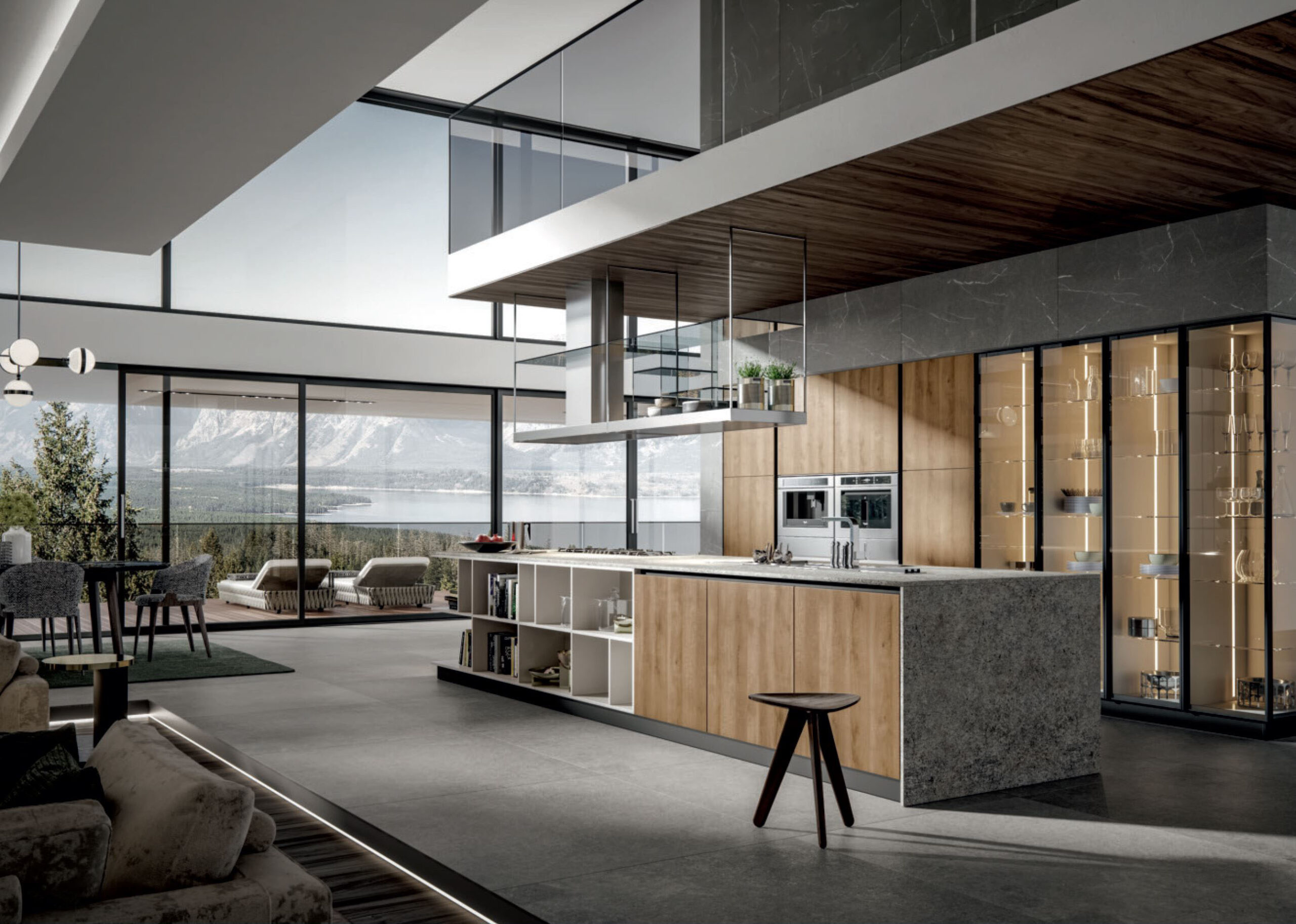
The Future at Your Fingertips: Modern Kitchen Cabinets with Touchless Technology
Modern kitchen cabinets