
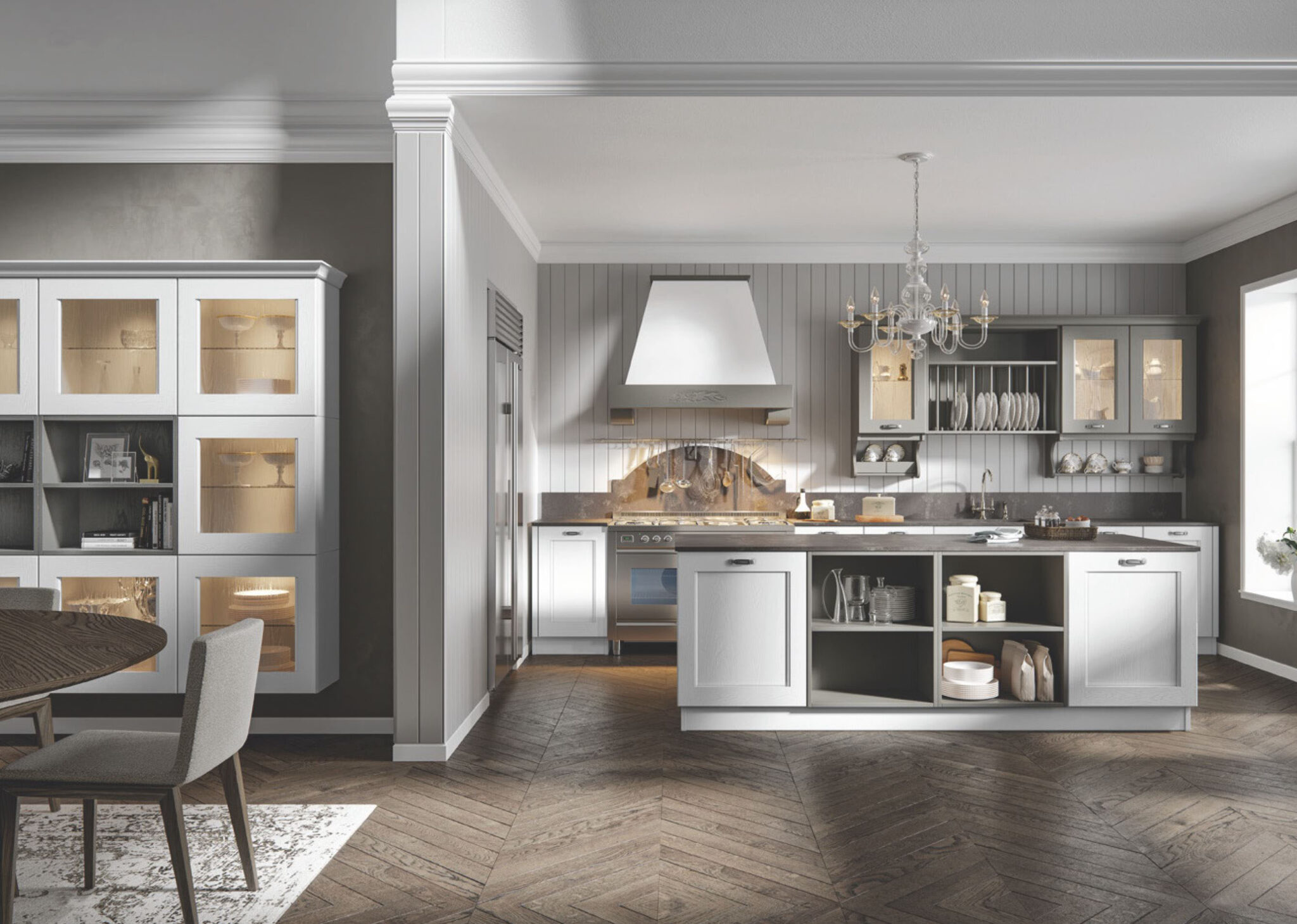
Product pictures
咨询Modern kitchen cabinets方案
Leave your contact information and we will get in touch with you as soon as possible.
PRODUCT DETAILS
产品详情
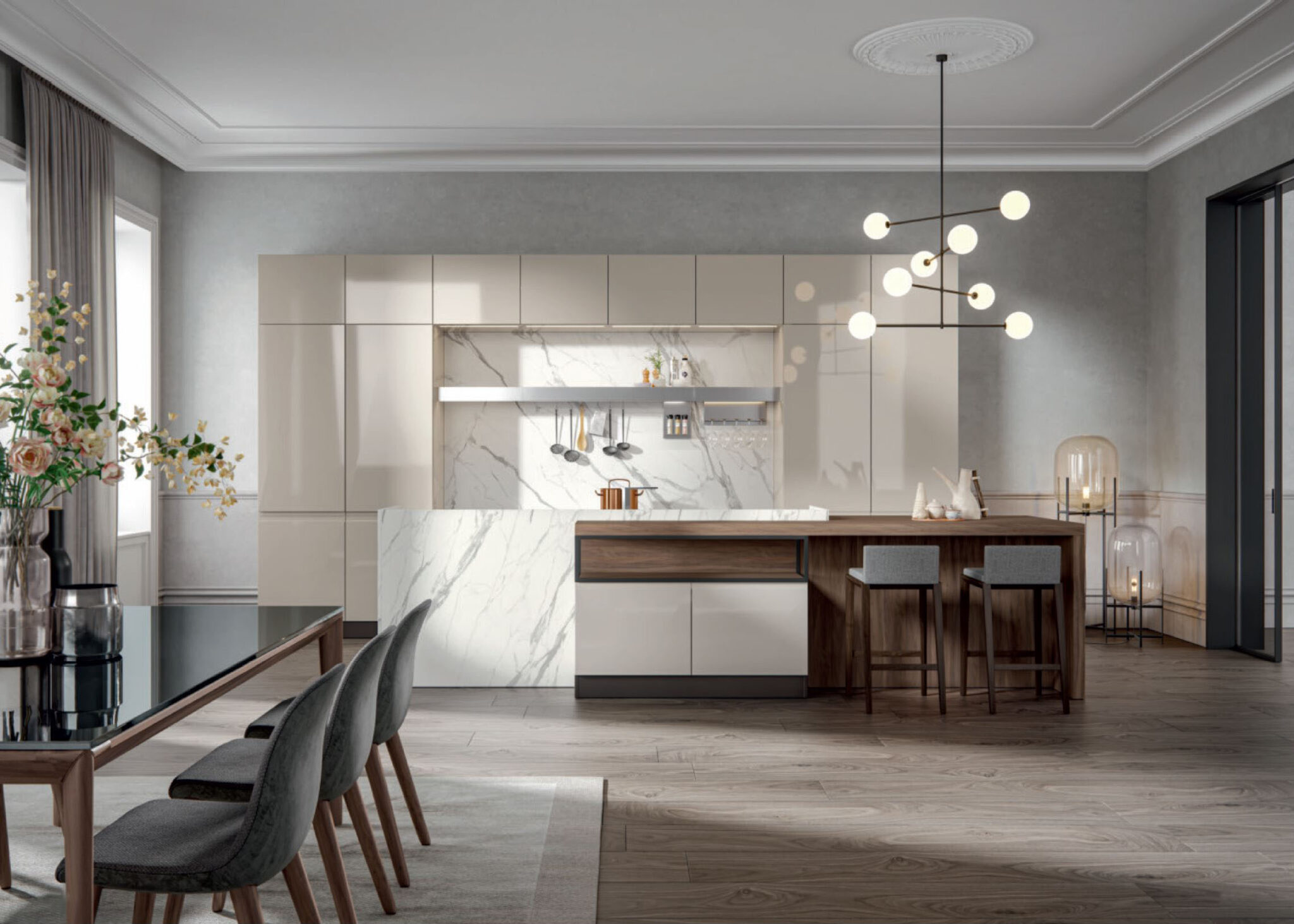
Sustainable Materials for 2025 Modern Cabinets: Redefining Style with Conscience
The modern kitchen is evolving. It is no longer just a functional space for meal preparation but the heart of the home—a place of design, connection, and conscious living. As we look towards 2025, the demand for cabinetry that seamlessly blends sophisticated aesthetics with undeniable environmental responsibility has never been stronger. The era of choosing between style and sustainability is over. Today’s innovative materials offer a powerful synergy of both, allowing you to create a kitchen that is not only beautiful and contemporary but also a testament to a forward-thinking ethos. This means selecting cabinets that tell a positive story, from the sourcing of the raw materials to their end-of-life potential, without compromising on the sleek, minimalist, or warm modern looks that define contemporary interior design. The choices we make for our homes have a lasting impact, and by embracing these next-generation materials, you invest in a kitchen that cares for your well-being and the planet’s future.
Moving beyond traditional solid woods, which often raise concerns about deforestation, and laminates derived from fossil fuels, the forefront of cabinet innovation is populated by materials that are either rapidly renewable or creatively repurposed. One of the most compelling contenders is bamboo. Technically a grass, bamboo is a marvel of sustainability, capable of reaching maturity in just three to five years, compared to decades for hardwood trees. This rapid growth cycle and its natural resistance to pests make it an incredibly efficient and regenerative resource. For 2025, bamboo is being showcased in its most elegant forms. Think of vertically grained panels that emphasize its fine, linear character, or strand-woven bamboo, which is denser and harder than many traditional hardwoods, offering exceptional durability for cabinet fronts and frames. The finishes have also matured, ranging from light natural tones that bring warmth to a space to rich, carbonized hues and even sleek, monochromatic paints that align perfectly with modern cabinet silhouettes.
Another groundbreaking category is the use of recycled materials, which transforms waste into wonder. At the top of this list are high-quality panels made from post-consumer recycled wood and post-industrial recycled plastics. Imagine cabinet boxes and shelves constructed from particleboard or MDF composed of 100% recovered wood fibers, diverting material from landfills and reducing the demand for virgin timber. Furthermore, the surfaces of these cabinets can be clad in stunning laminates or rigid thermofoils made from recycled PET plastic bottles. This process not only cleans up oceans and landfills but also creates a non-porous, incredibly durable, and low-maintenance surface that is resistant to moisture, stains, and scratches. The aesthetic possibilities are virtually limitless, offering a vast array of colors, textures, and realistic impressions of stone, concrete, or wood grain, ensuring your sustainable choice does not limit your design vision.
The commitment to a healthier home and planet extends beneath the surface to the composition of the boards and the finishes applied. Conventional cabinets often use cores containing urea-formaldehyde, a known volatile organic compound (VOC) that can off-gas into your indoor air for years. The 2025 standard prioritizes your indoor air quality by utilizing Ultra-Low Emission Formaldehyde (ULEF) or, even better, No-Added Formaldehyde (NAF) boards. These are typically bound with natural, plant-based resins or advanced polyurethane adhesives that eliminate this health concern. Similarly, the finishes have seen a green revolution. Water-based lacquers, UV-cured finishes, and natural plant-oil hard wax oils are becoming the norm. These technologies significantly reduce VOC levels during application and in your home, resulting in a harder, more resilient surface that is safe for your family and the craftspeople who build your cabinets, all while providing a beautiful, tactile feel.
For those seeking the ultimate expression of sustainability combined with unique character, reclaimed and FSC-certified woods offer a powerful narrative. Salvaged wood, rescued from old barns, factories, or deconstructed buildings, carries a history and a patina that cannot be replicated. Each knot, nail hole, and variation in grain tells a story, making your cabinets truly one-of-a-kind. This approach is the epitome of a circular economy, giving precious wood a new life and preventing the need for new harvesting altogether. When new wood is desired, the Forest Stewardship Council (FSC) certification is the gold standard. This guarantees that the wood comes from forests that are managed responsibly, preserving biodiversity, protecting water quality, and supporting the rights and well-being of local communities and workers. Specifying FSC-certified wood for your cabinet fronts or full construction ensures your kitchen is rooted in ethical and sustainable forestry practices.
Looking at the bigger picture, the true sustainability of 2025 cabinets is also measured by their longevity and end-of-life design. The modern consumer is moving away from fast furniture and towards heirloom-quality pieces. Cabinets designed with modularity, repairability, and timeless aesthetics inherently combat waste. Furthermore, innovative materials like wheatboard, made from agricultural waste straw, and rapidly renewable cork, known for its textured beauty and natural antimicrobial properties, are entering the mainstream. These materials represent a shift towards a bio-based economy. Finally, consider the manufacturing ethos of the brands you choose. Leading manufacturers are now adopting closed-loop water systems, powered by renewable energy, and utilizing low-waste production techniques, ensuring that the creation of your beautiful kitchen leaves a minimal environmental footprint. By choosing cabinets built with these principles, you are not just making a purchase; you are making a statement about the world you want to live in—a world where design, responsibility, and beauty coexist in perfect harmony.
Contact us
Tel/WhatsApp: mobile +86-18100264997
Email: stuya8@stuya127.com
RELATED PRODUCTS
推荐产品
Modern kitchen cabinets
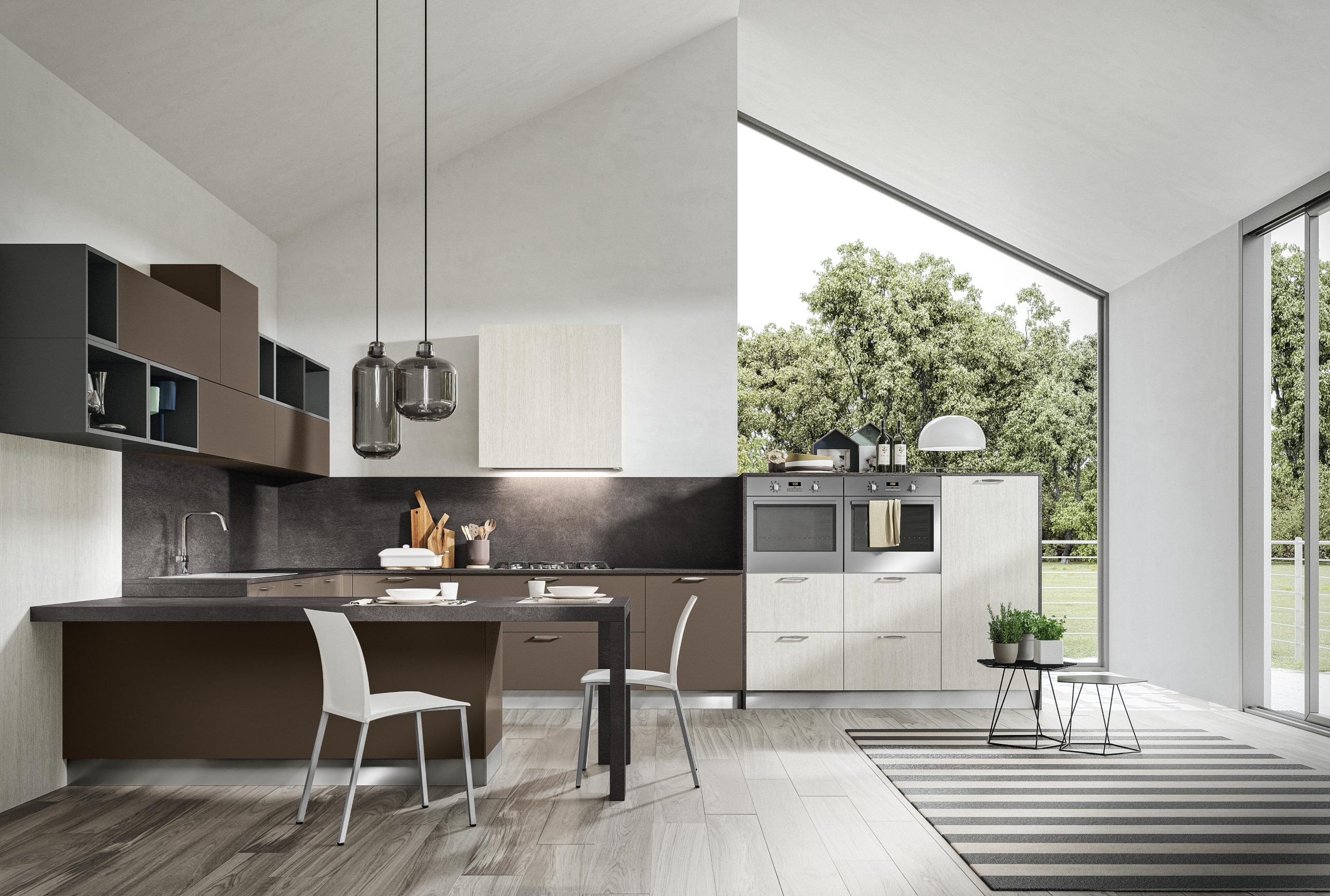
Modern Kitchen Cabinets in Open-Plan Living Spaces: The Art of Cohesive Design and Intelligent Functionality
Modern kitchen cabinets
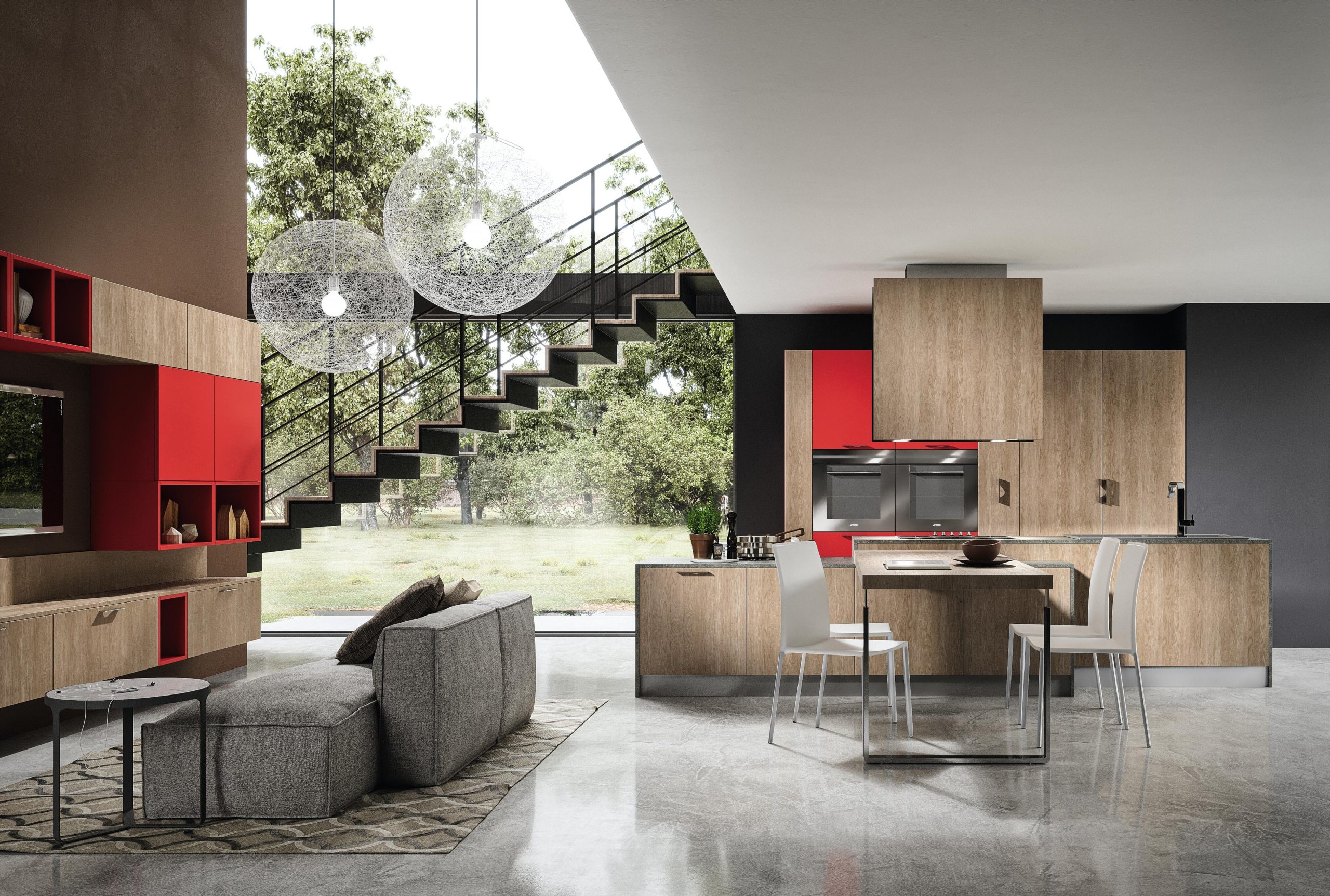
Navigating the Nuances: Transitional vs. Ultra-Modern Cabinet Styles for Your Dream Kitchen
Modern kitchen cabinets
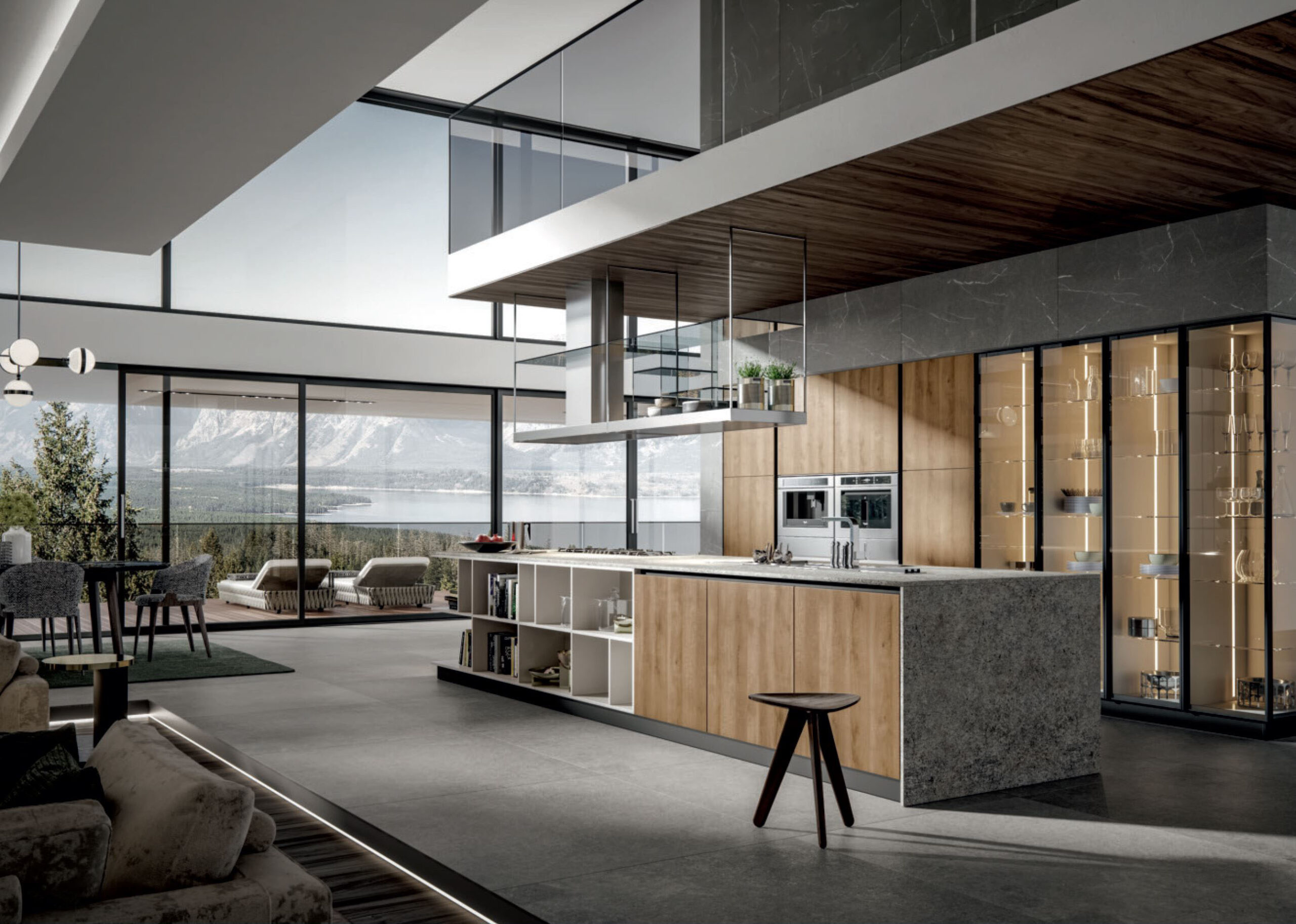
The Future at Your Fingertips: Modern Kitchen Cabinets with Touchless Technology
Modern kitchen cabinets